Gdansk my first encounter with Poland and it blew me away
After quitting my teaching job in Marseille, I wanted to take this opportunity to travel to new places. And I chose Poland. Why Poland? I wanted to go to Poland for a long time; my dad and youngest son had convinced me, saying they loved it. My two other sons set Krakow on their favourite destinations list. I was one of the few in the family who had never set foot in Poland, and things had to change. To be honest, I was a bit worried about the food I would find in Poland; would it be worse than German food? Stay tuned, and you will get the answer.
I set my trip to Poland to three cities: Gdansk, Warsaw, and Krakow, travelling by train from Marseille. Gdansk was the first city I wanted to visit. Why Gdansk?
How crazy can it be, but I love the name. (I have a tendency to visit cities because I love the sound of them. This was the case for San Sebastián as well.) But not only that, I remembered that this was the city where Solidarnosc began, with Lech Walesa as its key figure. One major actor in bringing communism down in Poland. I was very excited to go to Gdansk and imagined myself walking with my camera through gritty, dark naval construction sites, shooting black-and-white film, but I was in for a surprise.
We began our trip on a rainy Saturday morning in Marseille. The walk to the station took about 15 minutes, but my camera bag already felt heavy. For this trip, I decided to limit myself to 2 analogue cameras, the Canon EOS-1n and the Fuji 690W. The Canon is pretty heavy for a 35mm film camera. In contrast, the Fuji, with its plastic body, is one of my lightest medium formats. Add a laptop, a few films, and a few cables, and you get the picture. Still, it was a step down from what I usually carry.
I was so happy to reach my seat in the TGV to Paris. We sat on a direct train bound for Paris, arriving in just 3 hours. The goal for the day was to reach Berlin in the evening, where we would spend the night. In Paris, we joined a crowd on the RER to Gare du Nord and walked to Gare de l’Est. The first train to Germany took us to Karlsruhe. There, we had to change trains for Berlin, with another change in Mannheim. We didn’t have much time for a connection, so I was under no illusion that we would miss one of these trains somehow.
Travelling to Strasbourg without stopping to visit the family felt a bit awkward. The train stopped in Strasbourg for the border police to control our IDs. Germany has somehow decided to scrap Schengen and put borders back on. Our train in Strasbourg was already 20 minutes late. Meaning that we would miss the connection in Karlsruhe. German trains have become very unreliable. How did this happen? The good thing is that you don’t need a reservation to hop on an ICE train. We got off in Mannheim instead of Karlsruhe, taking a later train to Berlin. We would still make it, but arriving past ten o’clock instead of 8 pm. I didn’t see much on the trip to Berlin; it was pitch dark. The first-class seats were comfortable. I had a look through the menu. Their choice was quite international: Thai curry or a variety of German sausage sandwiches. I usually steer clear of train food, but this time I wasn’t picky. I was starving; the Pret A Manger salad I had in Paris was long gone.
When we were close to Berlin, I looked through the window as we passed a few of the S-Bahn stations. Berlin feels very exotic to me. Each time I visit the city, it feels like being on an adventure. The city is 9 times the size of Paris and feels vast. I still have lots of places to explore, but this time I would only be staying overnight.
When I walked out of Hauptbahnhof, it felt as if it were snowing. Compared to Marseille, it was freezing cold. The hotel was opposite the station. The night was short; the train to Poznan was at 9.52. I walked the long corridor of the Hauptbahnhof station looking for breakfast. Among the array of bread and Danish pastries, I found some chia pudding. Then, I went to Starbucks for coffee because the station coffee shop wouldn’t take cards! (Welcome to Germany, although Berlin is usually not like that. I walked up platform 12 with a coffee in hand and my chia pudding tucked in my backpack. The train to Poznanwas on time.
Our journey on the Baltic Express would take nearly 5 hours to Gdansk with a change in Poznan. Although it feels like a long journey, it never does when I travel by train. I love travelling by train. I usually hate short-haul flights; there’s far too much hassle for a 90-minute flight. I sat in a compartment with a mix of people. Some of them were moving from Malaysia to Poland. The train travelled at a slow pace, allowing me to focus on the landscape. We travelled through beautiful forests, where the leaves of the trees turned golden. Passing the Oder’s riverbanks felt like watching a movie with beautiful cinematic scenes. The land was wide and spacious, with less construction than I would usually see. The sun was tainting the scene with a beautiful glow. I imagined the Princes of Poland travelling through these pristine landscapes in the mid-18th century. The whole place felt eerie and romantic. My first encounter with Poland left me deeply moved.
We arrived in Gdansk at 3.30 pm; the sun had set, and it was getting dark. We dropped the bags at the hotel in the old town and went out to take some photos.
A bit of Gdańsk history
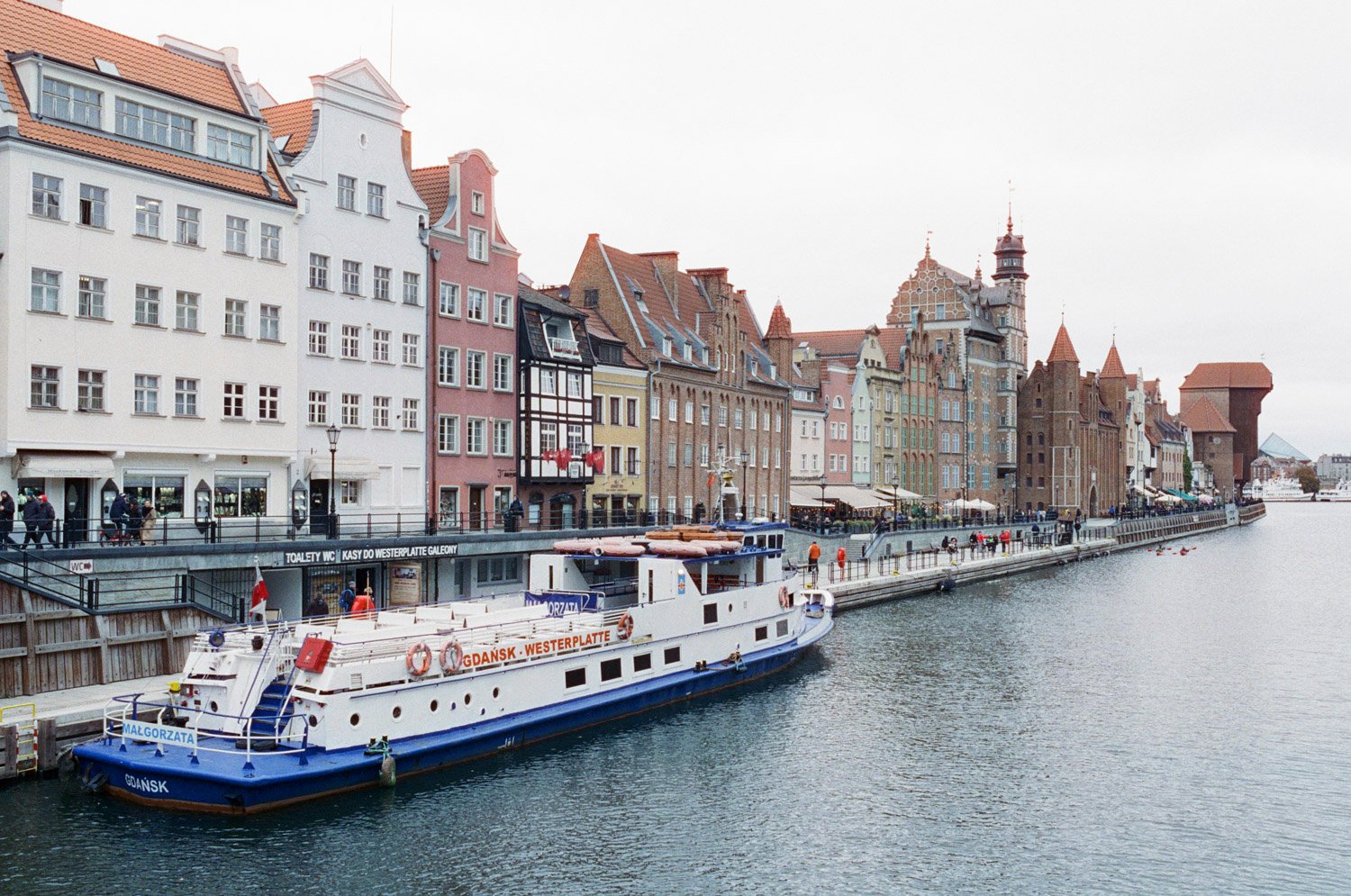
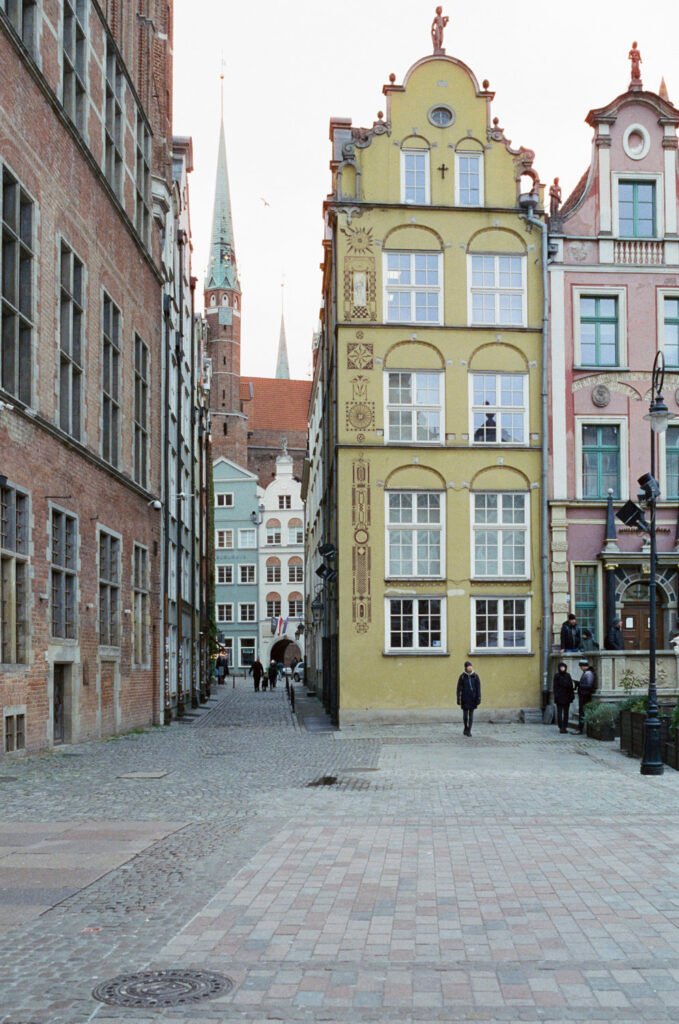
Gdansk, once known as Danzig, was a rich port in the Hanseatic League from the 14th to the 17th centuries. The Long Market (Długi Targ) and nearby areas are filled with colourful merchant houses. The wealth is noticeable in gilded façades, elaborate doorways, and astronomical clocks.
The main town is stunningly beautiful. It looks very Dutch/Flemish. Dutch architects redesigned the city from 1563 onwards. Now listen to the crazy stuff. The historic area of Gdansk was 90% flattened during WWII. When you are aware of that, it makes you look at the city with even greater curiosity and amazement.
90% of Gdansk was destroyed. Today, the main town is a careful reconstruction dating to the 1950s and 1980s. It shows how a city can rebuild its identity.
The main town, Główne Miasto, is stunning, and I would never have imagined it was rebuilt. They made such an effort to bring it back to life. When you think of some other towns destroyed during WWII, and the architectural massacre they made out of the reconstruction, you wonder why they didn’t choose an alternative option (I’m thinking of Plymouth here). Gdansk shows the endless possibilities of having a different vision for the future.
Some people have criticised the reconstruction. They say it doesn’t feel authentic and appears too idealised compared to the city’s look in the 16th and 17th centuries. I’m not gonna go into this debate, and I was mesmerised by its beauty. Walking the streets of the town felt like being somewhere in Scandinavia. Rather than Amsterdam, it made me think of Copenhagen.
Gdańsk is also the birthplace of Solidarność. The shipyard where Lech Wałęsa and the movement began in the 1980s. Ultimately contributing to the fall of communism in Eastern Europe.
Walking the Streets of the Old Town and Beyond
The next day after our arrival, I wandered around the main town and the nearby streets. Walking in Gdansk felt like a history lesson. I started towards the old post office:
The Polish post office.
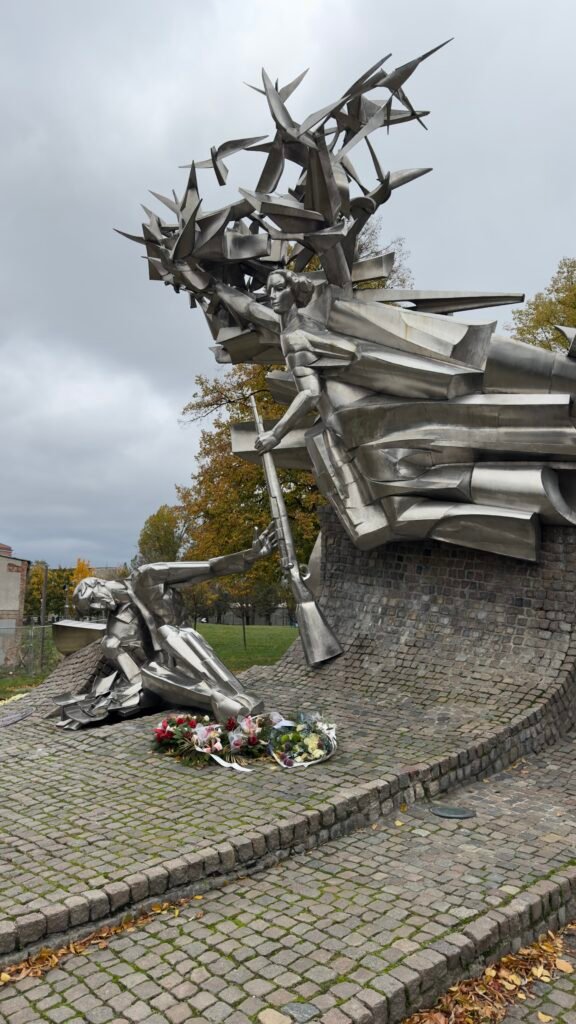
I had never realised that World War Two started in Gdansk. I knew it was in Poland, but never questioned the place. This post office is where it all started, and standing in front of this red-brick building makes it even more eerie. On September 1, 1939, at 4:45 AM, the battleship Schleswig-Holstein fired on the Polish-held port of Danzig. Paramilitaries and police supported by Germany joined the battle. Postal workers were left defending the building for 15 hours against the SS and police forces. The German Martial Court sentenced the defenders, except for those who escaped, to death. In 1979, a monument was erected to the building’s defenders on the square next to the post office.
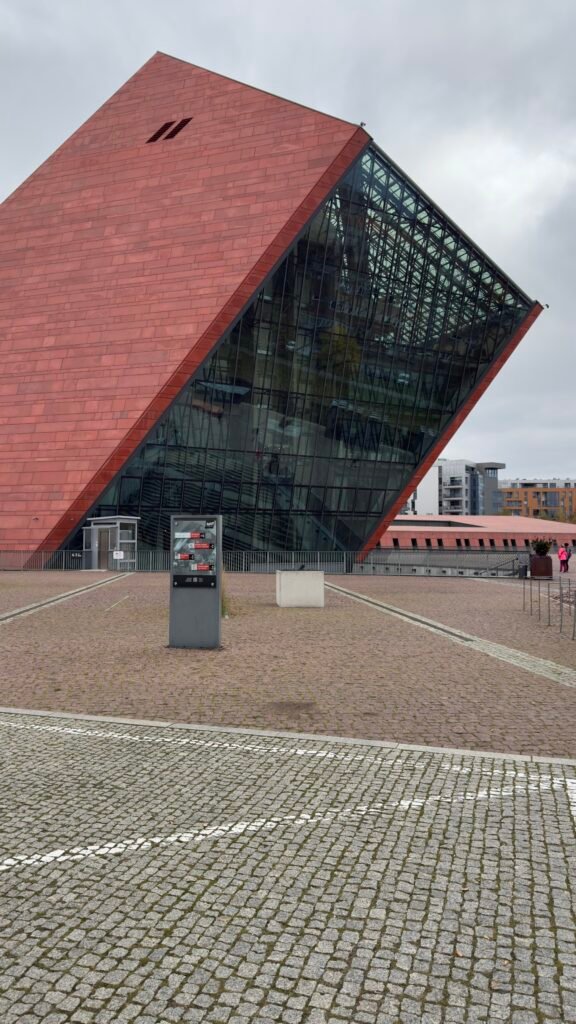
Stare Miasto
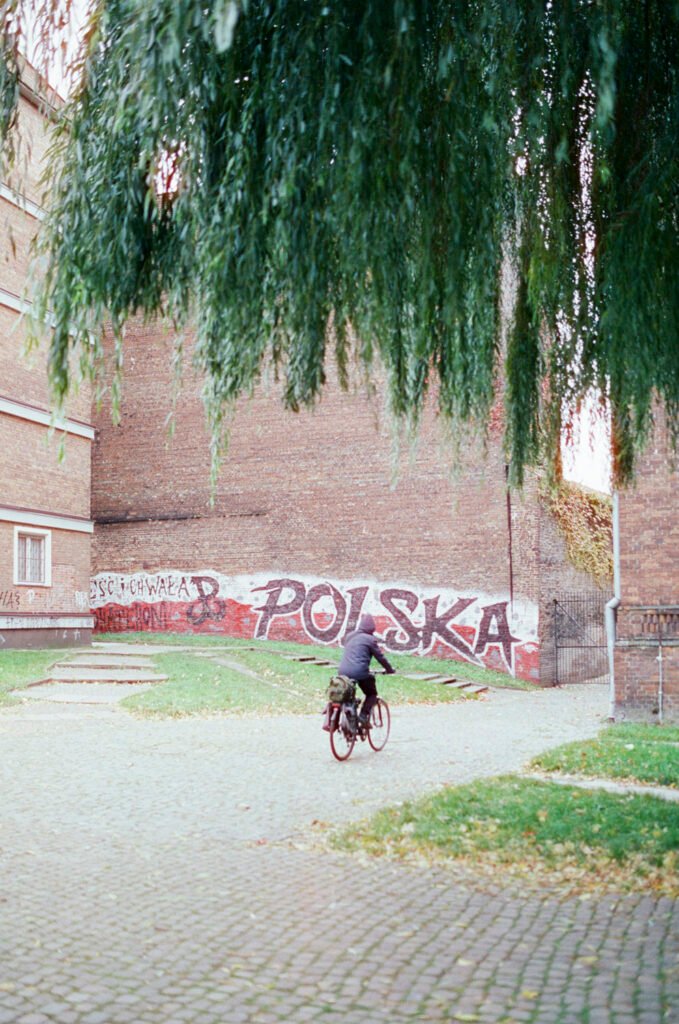
On my walk, I got lost in Gdansk’s Old Town. This part of Gdansk was not included in the reconstruction program and still carries the stigma of the communist era. The street layout has mostly stayed the same since medieval times. It has a mix of some restored buildings, many modern blocks, and concrete Soviet-era construction. There are also areas of decay. It feels more residential and local. It’s grittier, showcasing the “real” Gdansk instead of just a tourist postcard.
Keylandmarks in Stare Miasto:
- St. Catherine’s Church – This Gothic church, dating back centuries, hasn’t been fully reconstructed.
- The Great Mill (Wielki Młyn) – A massive medieval mill that was partially restored. It’s one of the few genuinely old structures
- Street Character – The vibe is completely different from the Main Town. You’ll find: Grey communist-era concrete buildings mixed with pre-war brick houses19th-century factory buildings are in varying states of disrepair.
I really enjoyed walking through this area. It gave me a sense of Gdansk’s history over the years. It has such a different vibe from the main city, and I have raised a few eyebrows walking these streets. I guess tourists don’t wander into this area very often.
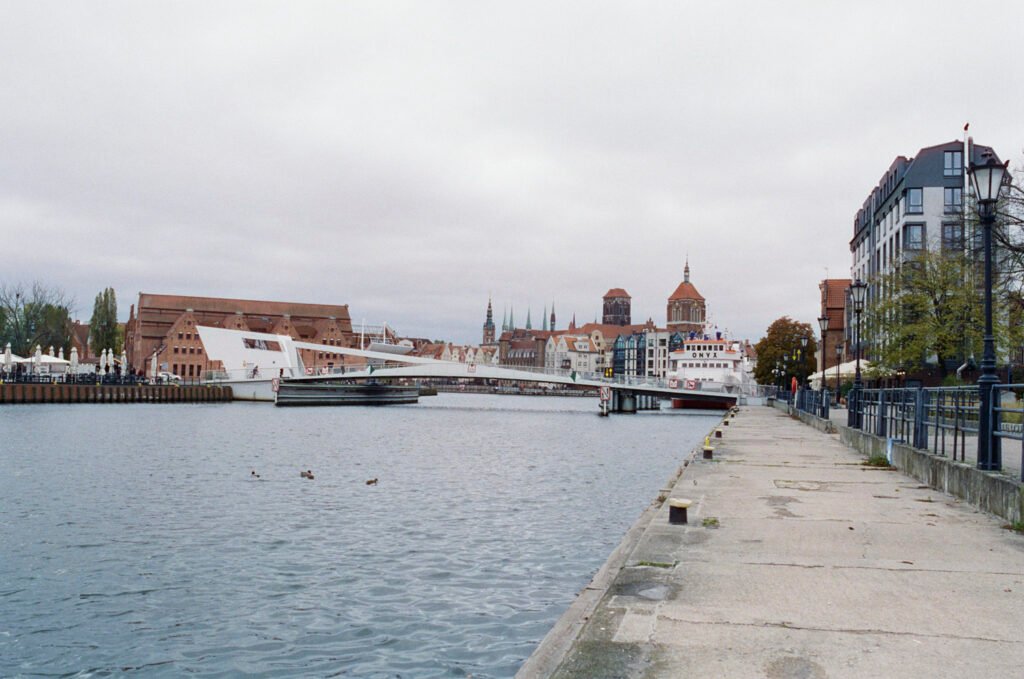
Motlawa River Banks
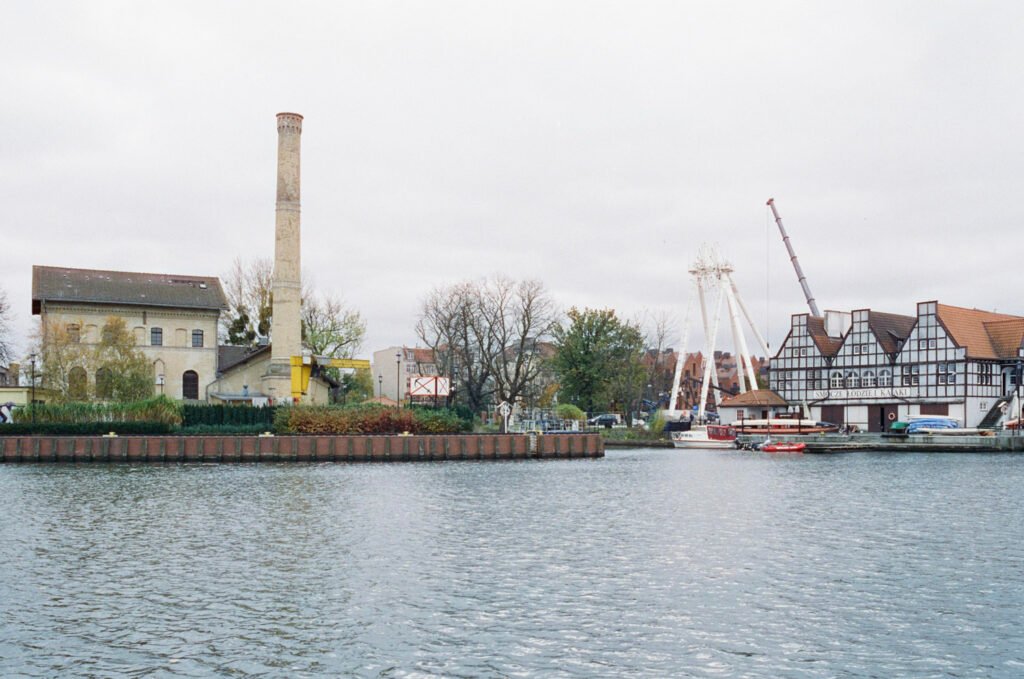
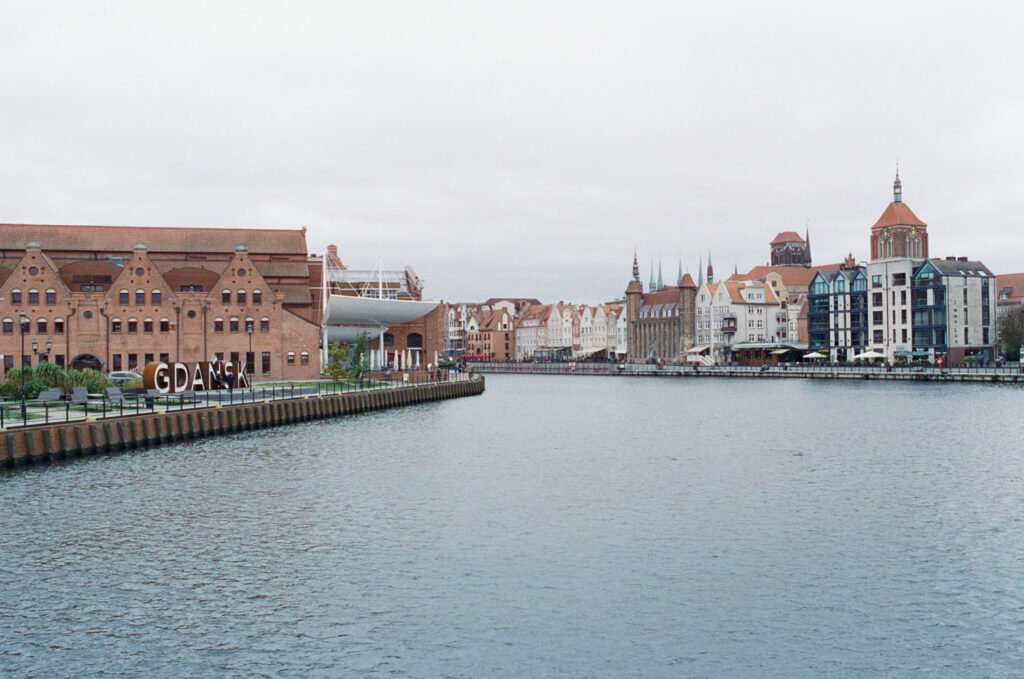
This is the promenade along the river that will walk you back to the main town. It is one of the best ways to get great views over the town. You will cross the large Gdansk sign to tag in your social media post, and the day cruise ships carrying a horde of tourists will be in view.
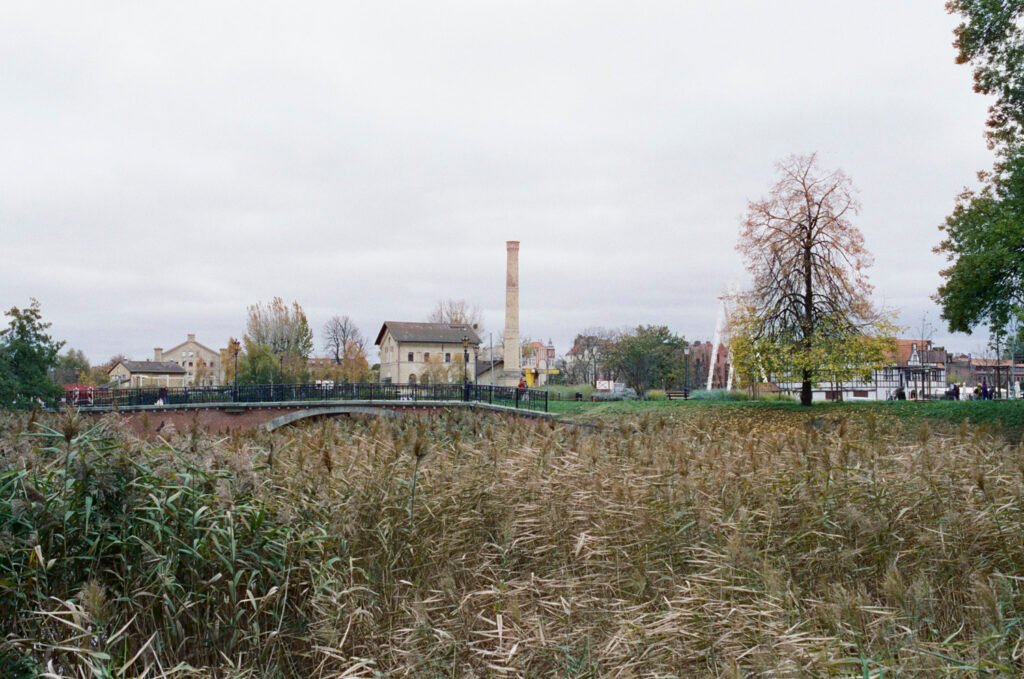
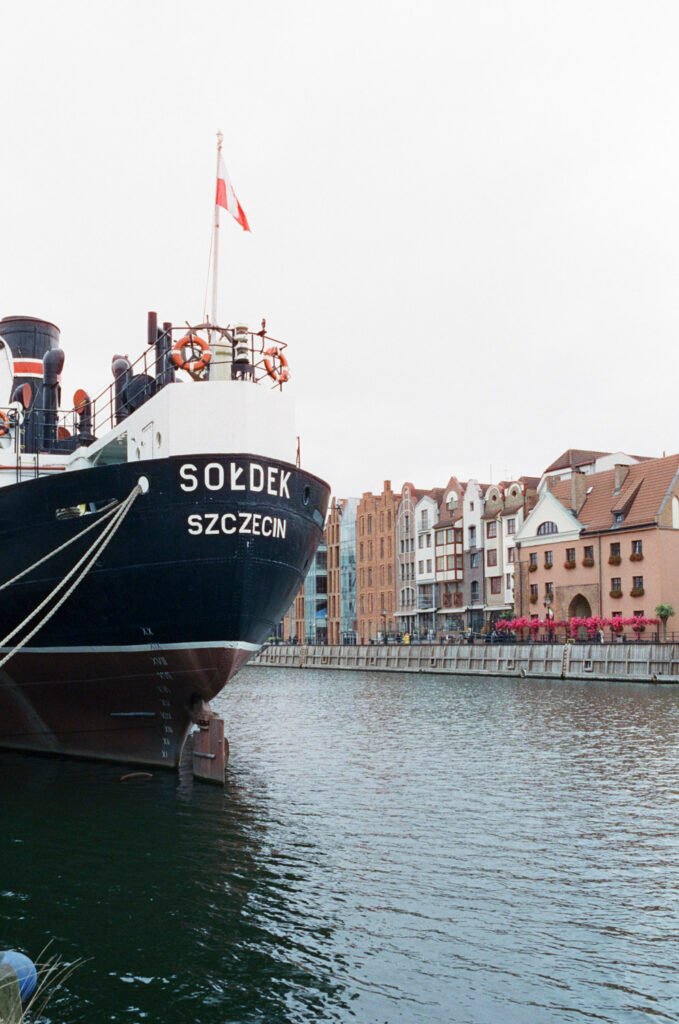
Soldek Cargo
Along the way, I passed a large ship with the letters “Soldek” painted on the back. Powered by coal and steam, this cargo ship began its journey in 1949 and remained permanently moored in 1981. The ship stands proud along the riverbanks, making a striking figure for a photograph. It is now a museum that you can visit.
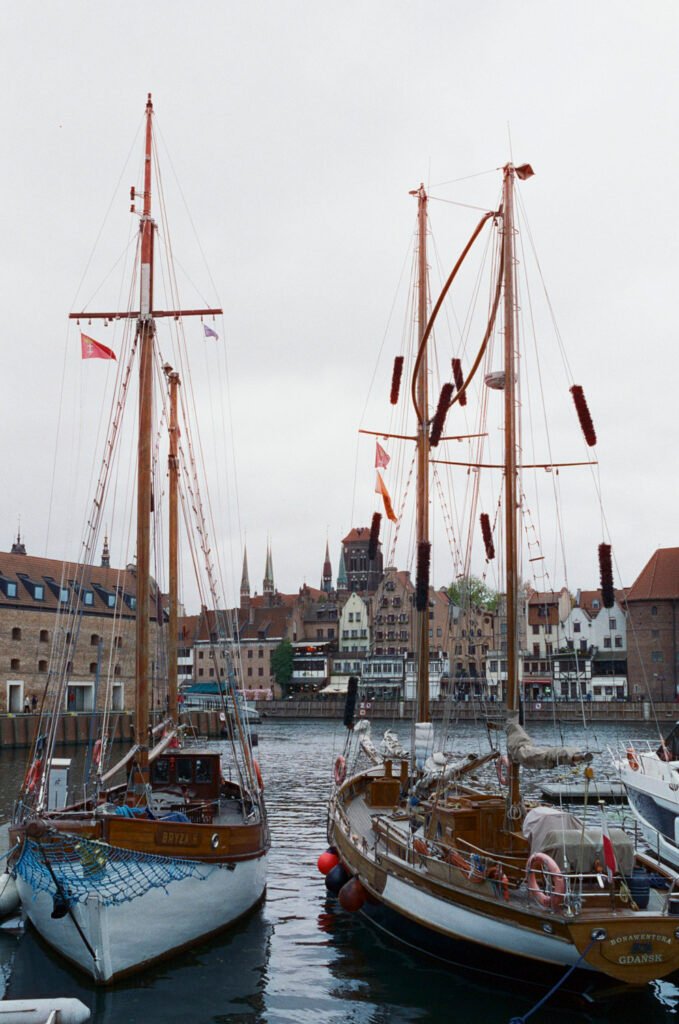
The Marina
Is another viewpoint along the way. It shows the lively, fun side of Gdańsk. This is where tourists come together in the evening.
The Main Town – Główne Miasto
This is where your heart will skip a beat. Every street is like a postcard. I visited Gdansk in October, and the city was still busy with groups of tourists. I was told it gets far busier during the summertime. Every time I walked these streets with my camera, I was in awe. Every place I walked by was beautiful.
The Royal Route
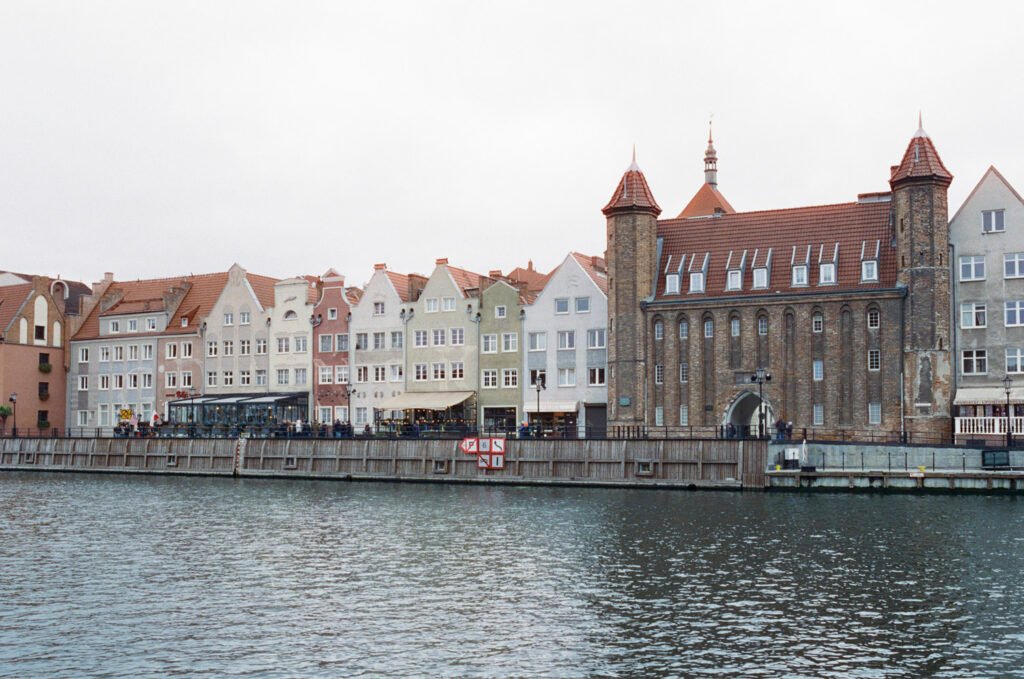
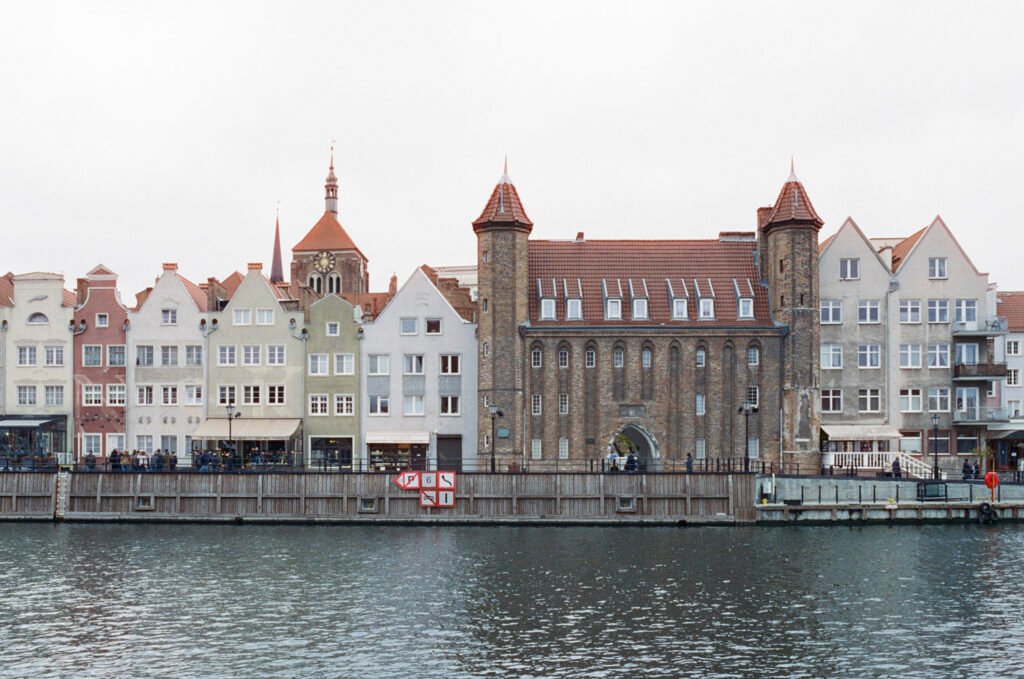
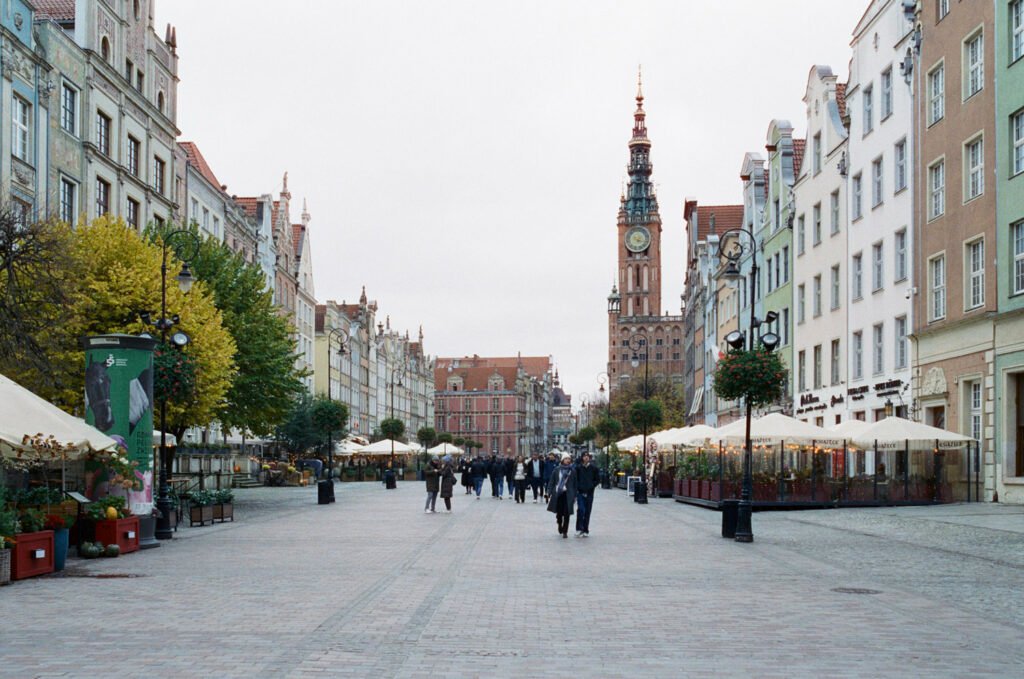
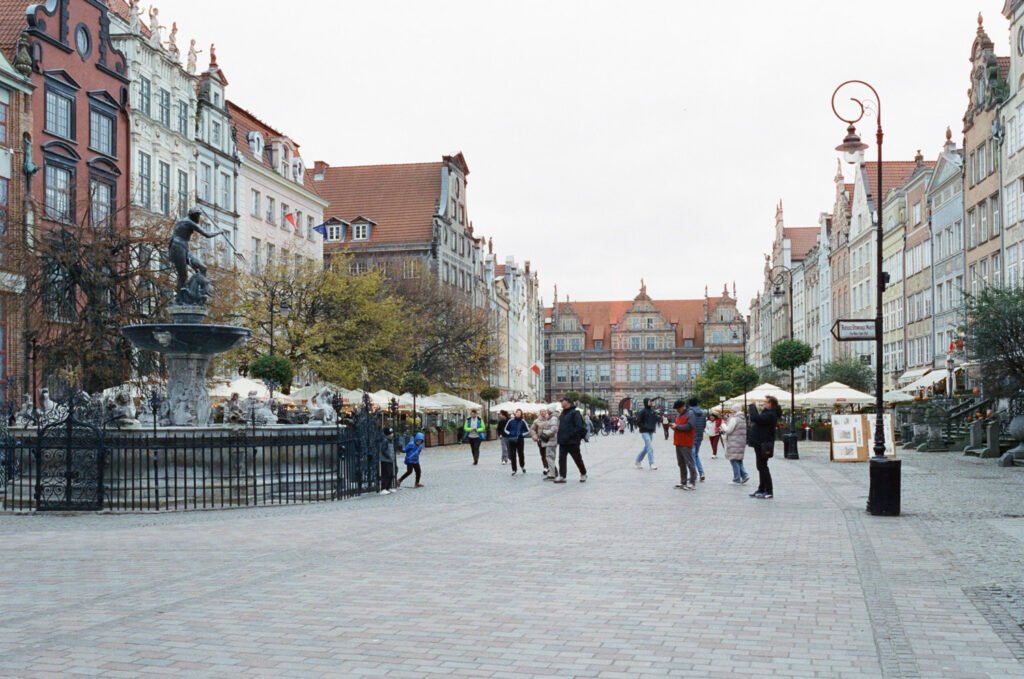
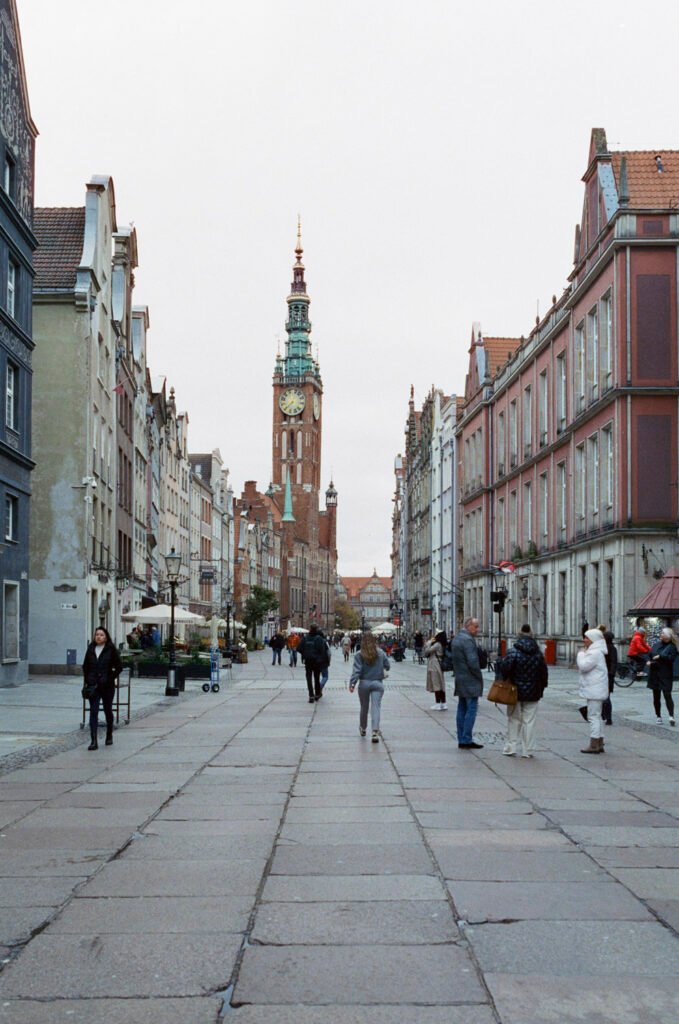
The Royal Route includes Długa Street (Long Street) and Długi Targ (Long Market). These were named for the ceremonial entry of Polish monarchs into the city, starting in 1457. This grand promenade starts at the Golden Gate and goes east to the Green Gate, passing through the lively Long Market.
The Architecture and the Buildings
Długa Street: Colourful bourgeois houses known for their Gothic Rococo-style doorways, terraces and porticos. The street is cobbled and pedestrianised.
Main Town Hall: The tallest building on the Royal Route. Its 80-metre tower is built in Renaissance style. A gilded statue of King Sigismund Augustus crowns the spire.
Długi Targ (Long Market): The most representative part featuring:
- Neptune Fountain – symbol of GdańskArtus Court (Dwór Artusa) – a meeting place for wealthy merchants with an 11-metre-high stove.
- Golden House (Złota Kamienica)Green Gate – leads through to the Motława waterfront
The Grid Pattern: The street grid evokes a chessboard, with all streets at right angles to one another. The main streets run parallel to the Royal Route and lead to Motława, finishing at medieval water gates.
Key Parallel Streets:
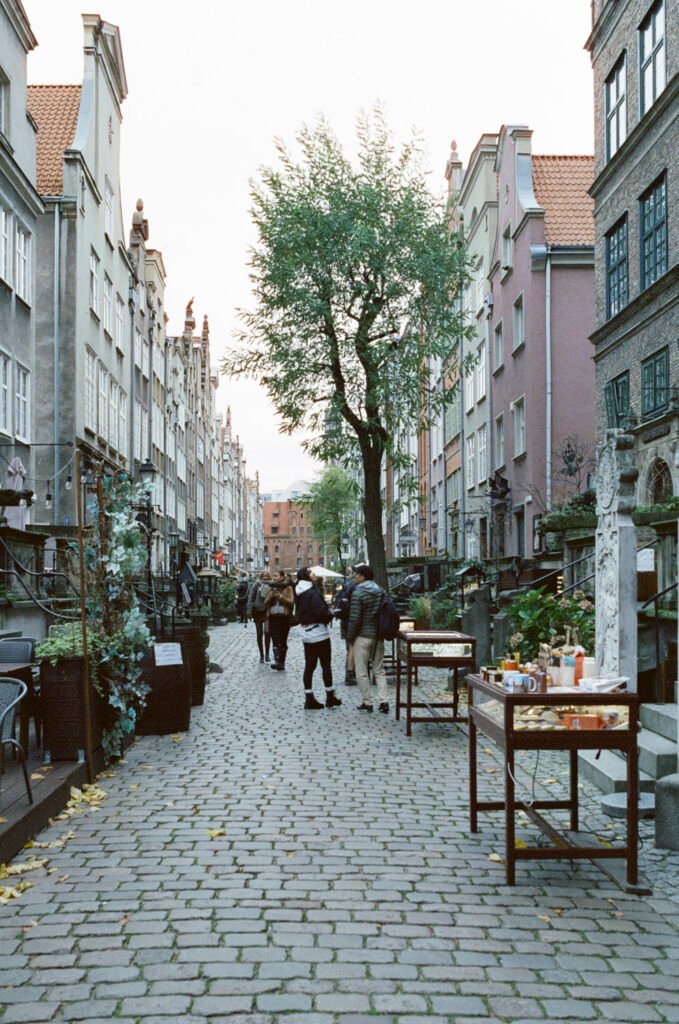
Mariacka Street is one of the most beautiful streets, with its porches and amber galleries. At night, the glowing streetlight adds to its magic.
The street is cobbled, and nearly all buildings have decorative porches extending into the street, creating a narrow, intimate feel. These porches were reconstructed from original stone and are engraved with patrician scenes or religious symbols. Many vestibules have gutters shaped like dragons, fish, or gargoyles spewing water
Piwna Street is becoming the second most important artery of the Main Town. With a promenade full of restaurants.
St. Mary’s Church is a massive brick church that anchors the area. Its tower dominates the skyline.
Writing these words about visiting Gdansk brings back the emotion I felt visiting this town. Having set no expectations before my visit, I couldn’t imagine what I would find. I felt overwhelmed by so much beauty. With the glow of the street lights making the city even more magical. Magic is how I felt when I set foot in Gdansk, my heart is still full of beautiful images of every corner I walked in this city. I imagine it must be even more delightful to walk the streets at night, the warm summer breeze blowing. I hope this post has enticed you to visit Gdansk; it has become one of my favourite places on earth, and I can’t wait to go back. The city has mesmerised me.
Where to stay and eat
We stayed at the Gotyk Hotel, a boutique Hotel on Mariacka Street, one of the most beautiful streets in town. The hotel is set in a Gothic tenement house.
The food in Poland was a pleasant surprise, and by London standards. On the first night, we ate at a Polish restaurant that resembled a Swedish tavern. Called Gdański Bowke next to the River. A very warm welcome with great food and a wide choice of fish and traditonal polish dishes.
On the second night, we went to a restaurant called Canis housed in a historic tenement. The interior is beautifully designed with high ceilingns and industrial elements that. The food and service were exceptional.
Places to visit?
The Museum of the Second World War
The European Centre for Solidarity